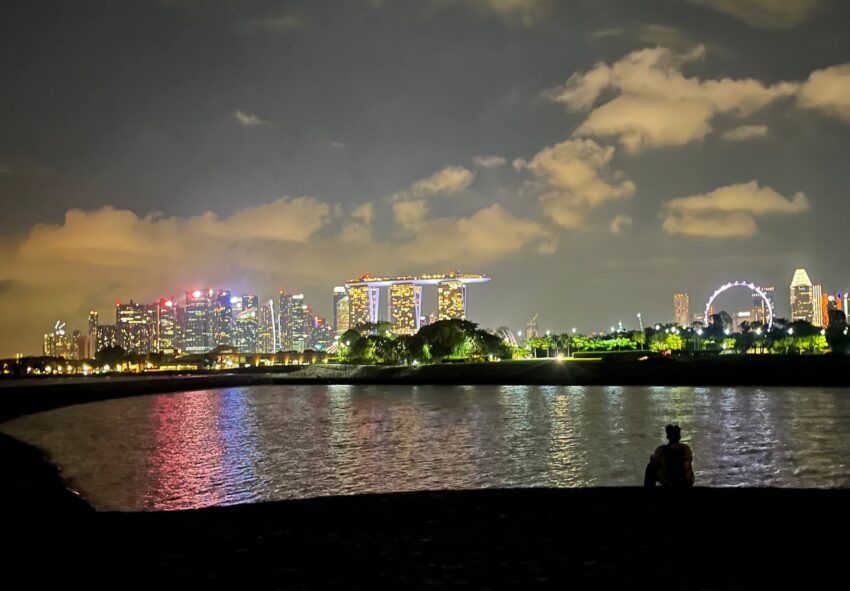
During a long, windy ride at East Coast Park last week, bestie and I were chatting about how we ended up with our bikes.
I was on my road bike at the time, which is funny because it wasn’t even the bicycle I wanted. In fact, I’d actively avoided road bikes after a bad experience with a friend’s—awkward fumblings with the sleek, thin frame and the wobbly handlebars.
I’ve always been a mountain bike person. Or at least, I liked the idea of being one. I loved the aesthetic: the thick tires, the heavy-duty suspension, and the rugged frame that suggested a life of adventure and off-road grit. I tried it a few times in Pulau Ubin and since then, have always imagined myself conquering even more steep trails and rocky terrain.
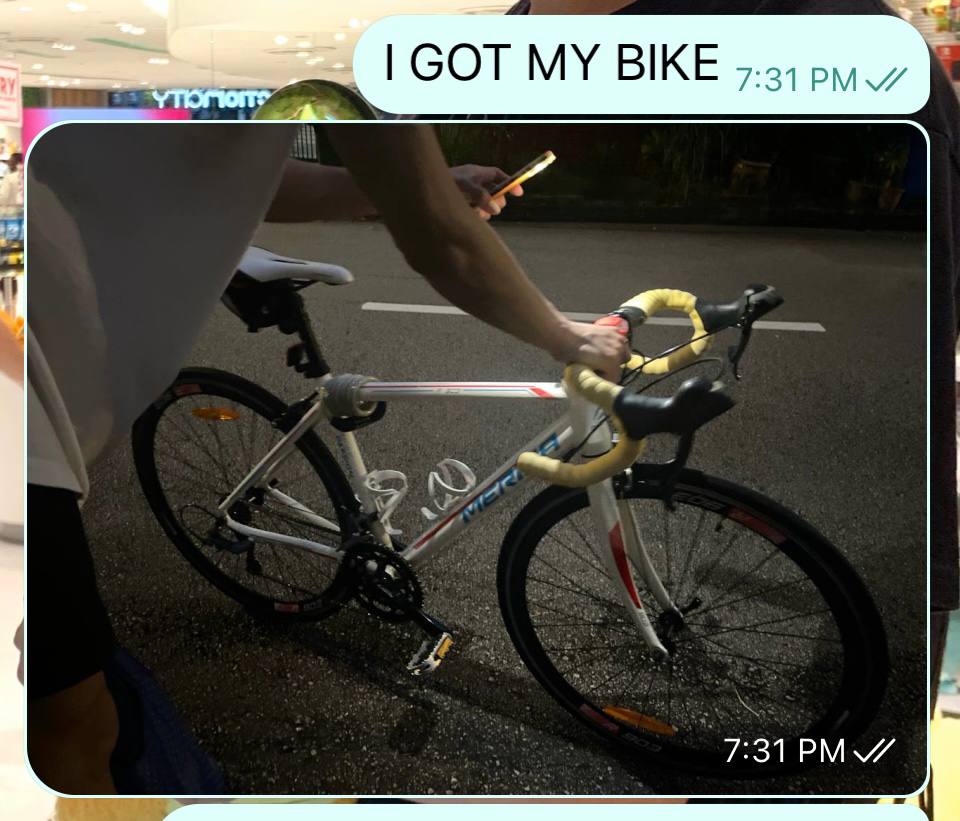
I only ended up with the road bike because a former colleague was moving out of the country and selling hers. On a whim, I bought it.
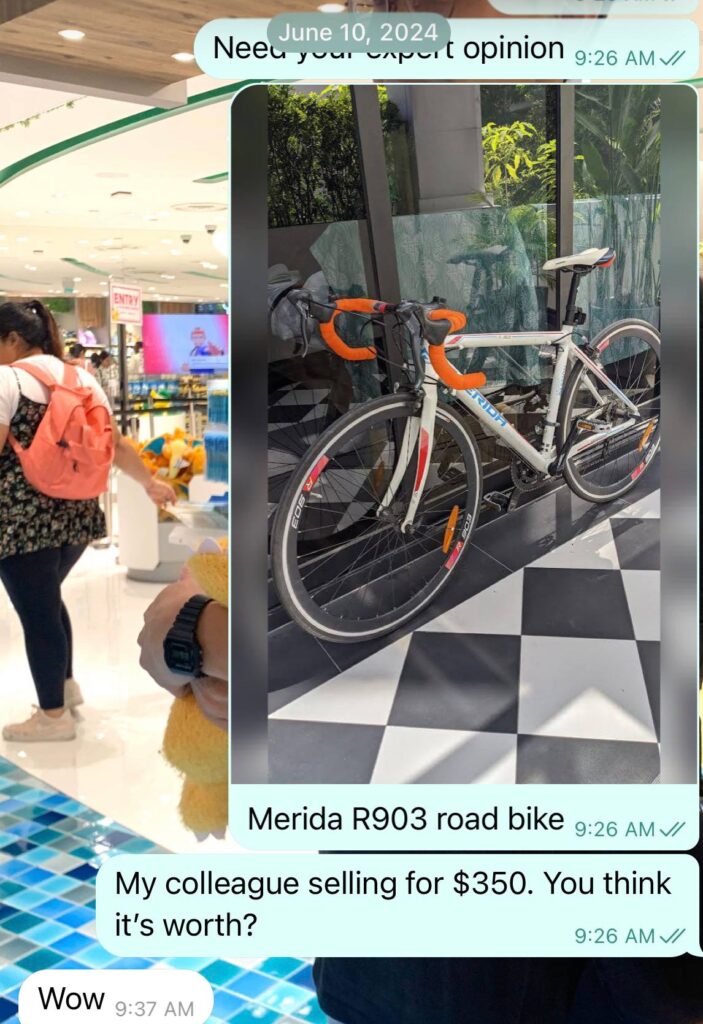
I didn’t regret it. It took me far less time than I expected to get used to the handling, and suddenly, my rides became significantly faster and easier.
The truth was … there had been a total mismatch between the image in my head and the reality of how I actually use my bike. My adventures usually consist of heading to a friend’s house in the next neighbourhood or a quick jaunt to East Coast Park. These are flat, paved, and perfectly predictable paths.
Had I caved and bought that Polygon Xtrada mountain bike I’d been eyeing, I would have been hauling a heavy, clunky frame across smooth asphalt. I would have been fighting friction and extra weight every single kilometre, never truly using the poor bike for its intended purpose.
As we continued cycling towards the Barrage, it dawned on me: what we want might not actually be what we need.
In life, we often spend a significant amount of our time, money, and emotional energy chasing things because of how they make us feel about ourselves, rather than what they actually do for us.
We buy the mountain bike versions of careers and lifestyles because they look rugged and impressive, even when our daily reality calls for something much lighter.
When I think back, I see it even in my own choices:
- Did I want to study medicine/law because I had a burning passion for anatomy or litigation? Or did I want the prestige that suggested I was a person destined for big things?
- In my job, did I really want to be in an advertising agency because I like the idea of being a creative or working on high-profile campaigns?
- Relationship-wise, am I really looking for a good-looking man without any care towards his personality and values?
When the want is based on an image, the daily reality often feels like riding a heavy mountain bike on a smooth road. You’re working twice as hard for a result that doesn’t actually fit your environment.

For those figuring out your career path, what you should be asking is:
1. What are you prioritising in this stage of your life?
For me, I’m looking for a stable, collaborative environment that pays decently due to looming big-ticket items like a wedding and house on the horizon.
2. What allows you to do what you’re actually good at?
I’m good at writing and distilling complex digital strategies into something clear and actionable.
When your job aligns with your natural strengths, work becomes less about grinding through resistance and more about finding a natural flow.
Growth happens fastest when you aren’t struggling to overcome your own personality but when you lean into the skills that already feel like second nature.
3. What provides a sufficient living without draining your soul?
We often over-optimise for the highest possible salary, forgetting that the tax on that extra income is often paid in stress and lost time.
At my previous workplace, I spent four hours a day travelling. That’s twenty hours a week—nearly an entire extra day—lost to a commute. No paycheck can buy back the time spent sitting on a train, and no title is worth the mental exhaustion that comes from a day that begins and ends in a blur of transit.
4. What makes you truly happy?
I cried almost every day at my previous company. It’s like I lost all joy in life. After leaving the high-pressure environment, I realised I’m happiest when I’m given the autonomy to do my job and have sufficient energy after work to enjoy my hobbies with friends.
If the cost of a higher salary is your health, your hobbies, or your peace of mind, then you aren’t really “winning” at all. You’re just subsidising a lifestyle you’re too exhausted to enjoy.
What is your ikigai?
Find out your “why”. What is your ikigai – the intersection of what you love, what you’re good at, what the world needs, and what you can be paid for?
This realisation made me look at my life differently. It’s okay if the road bike version of my career or lifestyle looks less rugged or cool to outsiders.
If it gets me where I need to go with less friction and more joy, it’s the better machine.
The hardest part of career reflection isn’t figuring out what you can do. It’s actually admitting that what you thought you wanted was just a heavy accessory you never really intended to use.
Stop buying the mountain bike for a life spent on the pavement. Find the tool that actually fits the path you want to walk in your life.
And if you made it this far, thanks for reading. Sorry for the long hiatus!
Val